


Cervical cancer has no symptoms. Screening can save your life by checking for any abnormal cells in the cervix that could lead to cancer if left untreated.
*You need to be registered with your GP to be invited for a screening.
Irene, BD1
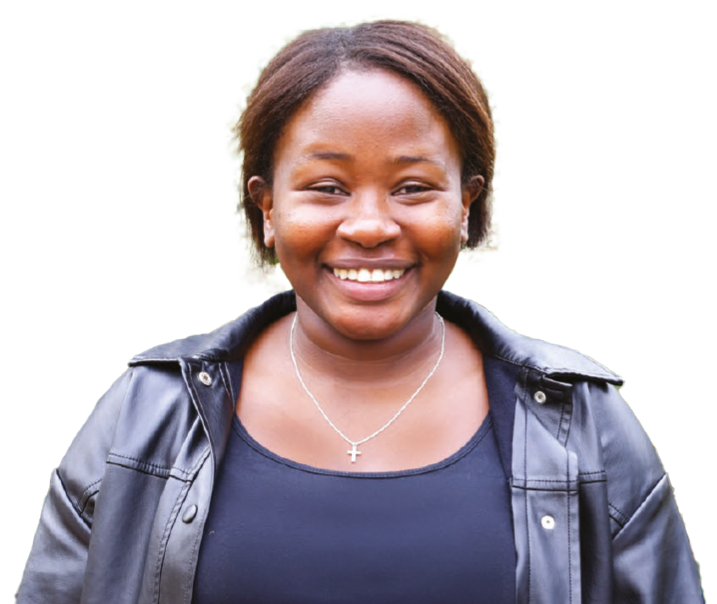
“I was nervous, but it was quick, easy and nothing to worry about.”
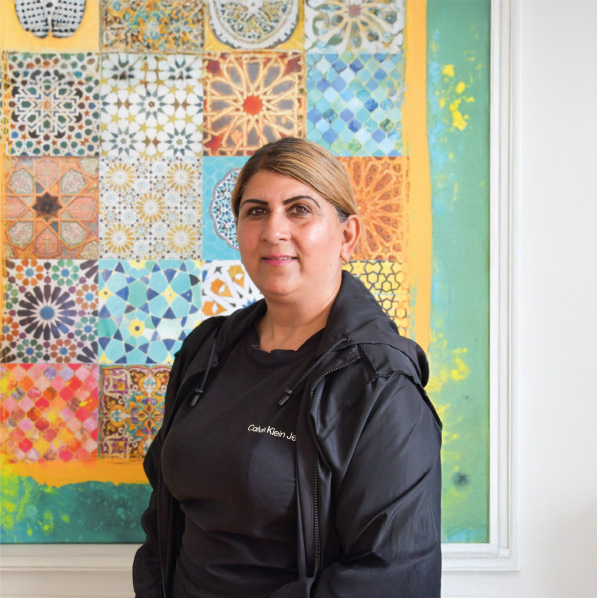
Taslim, BD9
“It’s better if it’s found early — that way, you can take action and do something about it.”
Cervical cancer has no symptoms. Screening can save your life by checking for any abnormal cells in the cervix that could lead to cancer if left untreated.
An appointment is waiting for you. Book yours.
What to expect
- If you’re eligible, you’ll receive an invitation by letter, text, or the NHS App, telling you how to book and where to go.
- Most cervical screening in Bradford is done at your GP surgery or local health centre, by a female nurse or doctor.
- At the appointment, you’ll be asked to undress from the waist down behind a screen and cover yourself with a sheet.
- The nurse will ask you to lie back on a bed, usually with your legs bent, feet together, and knees apart.
- You’ll be behind a screen and covered with a sheet at all times.
- The nurse will gently insert a smooth, tube-shaped tool (a speculum) into your vagina to view your cervix. A small amount of lubricant may be used.
- The nurse will open the speculum so they can see your cervix, and they’ll take a small cell sample with a soft brush.
- The nurse will close and remove the speculum, and you can get dressed straight away. The whole appointment should take about 10 minutes.
- You can ask for extra time if you’re nervous, and you can stop the test at any time if you feel uncomfortable.

Hints and tips
- Book your appointment for when you’re not on your period.
- You can ask for a longer appointment if you are anxious or have questions.
- Many Bradford women bring a friend or family member to help them feel relaxed.
- Let the nurse know if you want to use a smaller speculum or lubricant.
- As you will need to undress from the waist down, some people prefer to wear a skirt, dress, or longer top.
Understanding your results
You’ll usually get your results within 2 weeks through the post.
HPV not found
Most people will not have human papillomavirus (HPV) – an HPV negative result. This means your risk of getting cervical cancer is very low. You do not need any further tests to check for abnormal cell changes in your cervix, even if you’ve had these in the past. You’ll be invited for screening again in 3 or 5 years.
HPV is found
Your results will explain what will happen next if human papillomavirus (HPV) is found in your sample – an HPV positive result. You may need another test in 1 year or a colposcopy to check further.
Test needs repeating
Sometimes results are unclear, and a repeat is needed in 3 months. This does not mean there’s anything wrong; it’s because the results were unclear.
Frequently asked questions
Who is eligible for cervical screening?
Women and people with a cervix aged 25–64.
Why are women under 25 not invited?
Changes in the cervix are normal for younger women, and screening could lead to unnecessary treatment.
What happens at the appointment?
The test, also known as a smear test, is done by a nurse or GP and should take less than 5 minutes. The whole appointment should take about 10 minutes. The nurse will take a small sample of cells from your cervix for analysis.
Will the nurse be female?
Yes – you can request a female practitioner.
Will it hurt?
It may feel strange or a little uncomfortable, but it shouldn’t hurt.
When should I book my appointment?
It’s best to book your appointment for a time when you are not on your period, as this can affect the sample.
When will I get my results?
You will usually get your results within two weeks by text, letter, or through the NHS App.
Even with regular screening, it is important to be aware of your body and know what is normal for you.
See your GP if you notice symptoms like:
- Bleeding after sex or between periods
- Pain during sex
- Unusual vaginal discharge
Free NHS cancer screening in Bradford District and Craven
Across Bradford District and Craven, local people have shared how screening has given them peace of mind, caught cancer early, and even saved their lives.
Discover what to expect, hear from local residents, and get tips to make your screening more comfortable.
Read stories and more information about Bower Cancer Screening
Bowel cancer
Free screening
Read stories and more information about Breast Cancer Screening
Breast cancer
Free screening
Read stories and more information about Lung Cancer Screening
Lung cancer
Free screening
You’ll need to be registered with a GP to receive your invitation.